
How to Sell Property in Singapore 2026: Complete 10-Step Guide
Estimated Reading Time: 14 minutes
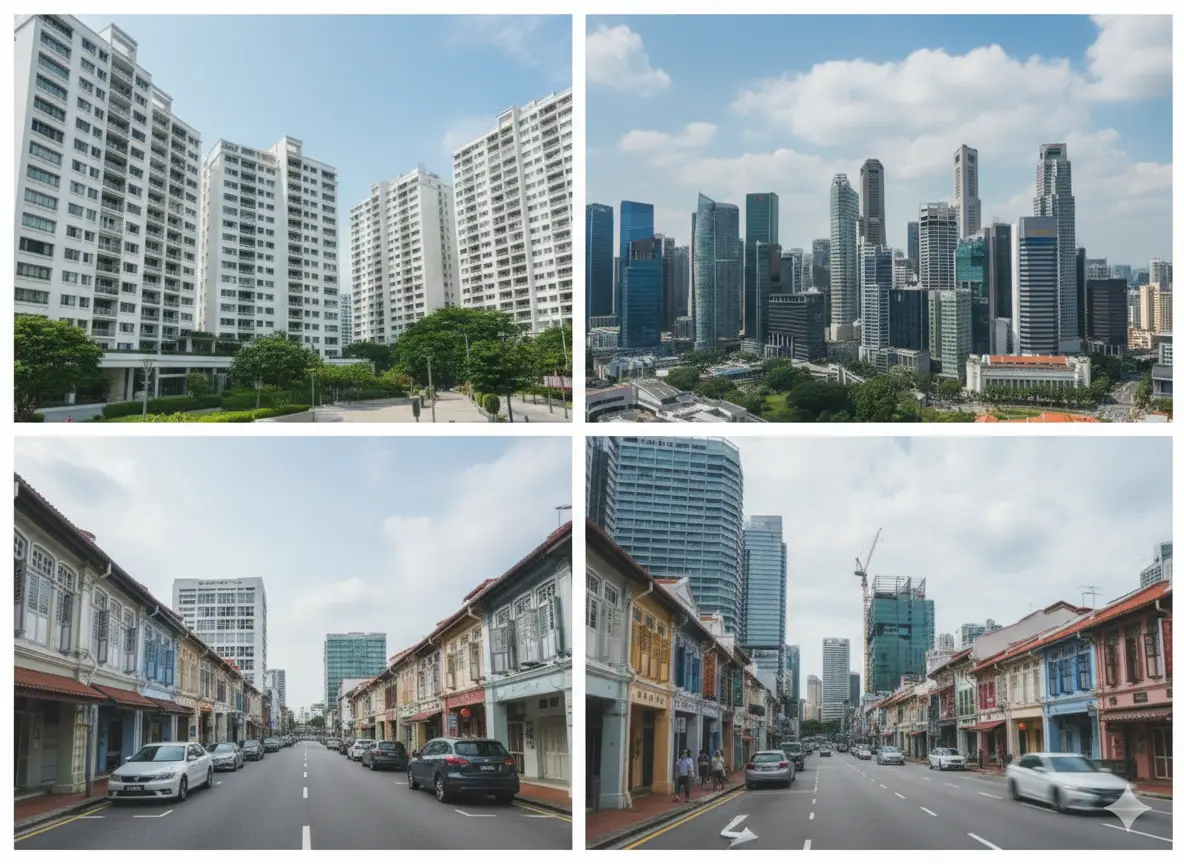
Are you finding it difficult to sell your home in Singapore? You’re not alone. In today’s competitive real estate market, getting your property sold quickly and at the right price requires more than just listing it online. Whether you’re selling an HDB flat, private condo, or landed property, understanding the complete process, regulations, and market dynamics is crucial for success.
The Singapore property market in 2026 presents both opportunities and challenges. With evolving cooling measures, changing interest rates, and a diverse range of buyer preferences, sellers need a strategic approach. This comprehensive guide walks you through every step of the selling process, from understanding your property type to collecting your sale proceeds, with specific insights for the Singapore market.
In this guide, you’ll discover the detailed 10-step process that has helped hundreds of homeowners successfully sell their properties, understand Singapore-specific regulations like Seller’s Stamp Duty (SSD) and Option to Purchase (OTP), learn how to avoid common pitfalls that prevent properties from selling, and get actionable strategies backed by current market data.
Understanding Singapore Property Types and Regulations
Before diving into the selling process, it’s essential to understand which category your property falls under, as each has different rules, buyer pools, and selling procedures.
HDB Flats: Selling Public Housing
HDB flats make up approximately 80% of Singapore’s residential properties, making them the most common type you’ll encounter in the resale market. If you’re selling an HDB flat, you must meet the Minimum Occupation Period (MOP) of 5 years from the date you collected your keys. This applies to both Build-To-Order (BTO) flats and resale flats purchased with CPF housing grants.
The HDB resale process is highly structured. You must register your Intent to Sell on the HDB Resale Portal, which remains valid for 12 months. All HDB transactions go through this portal, and both buyer and seller must complete their portions. The resale levy may apply if you previously purchased a subsidized flat and are buying another HDB flat. This ranges from $15,000 for 3-room flats to $50,000 for 5-room and larger flats.
HDB flats are also subject to the Ethnic Integration Policy (EIP) and Singapore Permanent Resident (SPR) quota. If your block or neighborhood has reached the racial quota limits for a particular ethnic group, buyers from that group cannot purchase your flat. This can affect your buyer pool, so it’s worth checking the quota status before pricing your property.
Private Condominiums and Apartments
Private properties offer more flexibility than HDB flats. There’s no Minimum Occupation Period, meaning you can sell immediately after purchase (though Seller’s Stamp Duty may apply if you sell within 3 years). Private properties can be sold to Singaporeans, PRs, and foreigners without the restrictions that apply to HDB flats.
The key considerations for private properties include whether your unit is freehold or leasehold. Freehold properties typically command a 10-20% premium over comparable leasehold properties, though this gap has been narrowing in recent years. For leasehold properties, especially those with remaining leases under 60 years, you’ll need to factor in lease decay, which can significantly affect valuation and buyer financing options.
Maintenance and sinking fund arrears must be cleared before completion. Your management corporation will provide a statement of account showing any outstanding amounts, which will be deducted from your sale proceeds if not paid beforehand.
Landed Properties: Houses and Bungalows
Landed properties in Singapore are categorized into different types: terrace houses, semi-detached houses, bungalows, and shophouses. These properties are generally restricted for sale to Singapore Citizens only, with foreigners requiring approval from the Land Dealings Unit for certain types of landed property.
Land tenure is particularly important for landed properties. You’ll need to disclose whether the property is freehold, 999-year leasehold, or 99-year leasehold. Properties with shorter remaining leases may face challenges with bank financing, as most banks are reluctant to provide loans for properties with less than 30 years remaining lease at the end of the loan tenure.
Executive Condominiums (ECs)
ECs occupy a unique middle ground between HDB flats and private condos. During the first 5 years (MOP), ECs can only be sold to Singapore Citizens. After 5 years but before 10 years, they can be sold to Singapore Citizens and PRs. After 10 years, ECs are fully privatized and can be sold to anyone, including foreigners.
If you’re selling an EC that hasn’t reached the 10-year mark, your buyer pool is more limited, which can affect pricing. However, ECs that are approaching or have passed the 10-year mark often see price appreciation as they attract the foreign buyer market.
Singapore Property Selling Regulations and Costs
Understanding the financial implications of selling your property is crucial for setting realistic expectations and pricing your property correctly.
Seller’s Stamp Duty (SSD): What You Need to Know
Seller’s Stamp Duty is one of the most significant costs you may face when selling residential property in Singapore. SSD applies to all residential properties purchased on or after 14 January 2011 if you sell within 3 years of purchase.
The rates are progressive and substantial. If you sell within the first year of purchase, you’ll pay 12% SSD on the full sale price or market value (whichever is higher). If you sell during the second year, the rate drops to 8%. Selling during the third year incurs 4% SSD. After holding the property for more than 3 years, no SSD applies.
Let’s look at a practical example. If you purchased a condo for $1.2 million in January 2024 and sell it for $1.3 million in January 2025, you would pay SSD of $156,000 (12% of $1.3 million). This significantly eats into your profits and is why many sellers wait until after the 3-year mark if possible.
There are some exemptions to SSD. Owner-occupied properties that are sold due to death, divorce, or other specific circumstances may qualify for remission, but you must apply to IRAS with supporting documents.
Option to Purchase (OTP): The Legal Framework
The Option to Purchase is a legal document that grants a buyer the exclusive right to purchase your property within a specified period, typically 14 days for private properties and 21 days for HDB flats. Understanding the OTP process is crucial as it marks the point where your property sale becomes legally binding.
When you grant an OTP, you receive an option fee, typically 1% of the purchase price for private properties (negotiable) or $1,000-$5,000 for HDB flats. This option fee is paid directly to you and forms part of the purchase price. Once you accept the option fee and grant the OTP, you cannot sell to anyone else during the option period.
The buyer must exercise the option within the stipulated timeframe by signing it and paying the option exercise fee. For private properties, this is typically another 4% of the purchase price, bringing the total deposit to 5%. For HDB flats, the buyer pays the balance to reach the required $5,000 deposit.
If the buyer fails to exercise the option within the timeframe, the option fee is forfeited to you, and you’re free to sell to other buyers. However, if the buyer exercises the option, both parties are legally bound to complete the transaction according to the terms stated in the OTP.
Cash Over Valuation (COV): Market Dynamics
Cash Over Valuation refers to the amount a buyer pays above the bank’s or HDB’s valuation of the property. In hot market conditions, COV can be positive, meaning buyers pay a premium. In cooling markets, COV can be negative, meaning properties sell below valuation.
Understanding COV trends in your area is crucial for pricing. Since banks will only lend based on the valuation amount, buyers must pay any positive COV in cash. This limits your buyer pool to those with sufficient cash reserves. In recent years, COV for HDB flats has largely stabilized around zero, with occasional negative COV in mature estates. Private properties show more variation depending on location and property characteristics.
Agent Commission and Legal Fees
Property agent commission in Singapore typically ranges from 1-2% of the sale price plus 9% GST. For a $1 million property, you’re looking at approximately $20,000-$22,000 in agent fees (including GST). Some agents may negotiate lower rates for higher-value properties or offer co-broking arrangements.
Legal fees for conveyancing services typically range from $2,500 to $4,000 depending on the property value and complexity. Your lawyer handles drafting the OTP and Sale & Purchase Agreement, conducting title searches, preparing completion accounts, and ensuring all legal requirements are met.
CPF Housing Refund: A Critical Obligation
If you used CPF funds to purchase your property, you must refund the principal amount plus accrued interest (calculated at 2.5% per annum) when you sell. This refund is mandatory and will be deducted from your sale proceeds before you receive the net amount.
For example, if you used $200,000 from your CPF and held the property for 10 years, you might need to refund approximately $250,000 (principal plus interest). This can significantly impact your net proceeds, so factor this into your financial planning.
Step 1: Determine Your Property’s Market Value
Accurate pricing is the foundation of a successful sale. Overpricing keeps your property on the market too long, while underpricing means leaving money on the table.
Research Tools and Resources
For HDB flats, start with the HDB Resale Price Check Service, which shows recent transactions in your block and neighboring blocks. Look at transactions from the past 3-6 months for the most relevant data. Pay attention to floor level, facing direction, and renovation status when comparing.
For private properties, the URA REALIS (Real Estate Information System) provides comprehensive transaction data for condos and landed properties. You can access transaction prices by development, district, or specific address. PropertyGuru, 99.co, and SRX also offer market comparison tools and price trend analytics.
Consider engaging a professional valuer if you need an official valuation, which costs between $300-$500. This can be helpful for understanding your property’s market position, especially if you have unique features or renovations.
Factors Affecting Your Property Value
Location remains the primary driver of property value in Singapore. Proximity to MRT stations can add a 5-10% premium. Properties within 1km of good primary schools are highly sought after by families. Access to amenities like shopping malls, markets, and food centers also influences value.
Physical characteristics matter significantly. Floor level affects value, with higher floors generally commanding premiums for better views and less noise. Corner units typically sell for 3-5% more than internal units. Facing direction matters too, with north-south facing units preferred for natural ventilation and less afternoon sun.
Property condition and age play crucial roles. A well-maintained property with tasteful renovations can command a premium, though over-renovation doesn’t always yield returns as many buyers prefer to renovate to their own taste. For older properties, especially those with less than 60 years remaining lease, expect valuation discounts and financing challenges.
Analyzing Recent Transactions
Don’t just look at asking prices on property portals—these are often inflated. Focus on actual transacted prices from the past 3-6 months. Look for patterns in pricing per square foot (PSF) for similar units. If most transactions in your development are between $1,400-$1,500 PSF, that’s your realistic range.
Consider the context of each transaction. Units sold during peak buying seasons (January-February after bonuses, July-August before school terms) might achieve higher prices. Urgent sales or estate sales might reflect lower prices. Try to identify comparable units with similar characteristics to yours.
Step 2: Calculate Your Financial Position
Before setting your asking price, you need to understand your bottom line—the minimum net proceeds you need or are willing to accept.
Creating Your Financial Worksheet
Start by listing all the costs you’ll incur. Agent commission (2% + GST of sale price) is typically your largest cost. Legal fees ($2,500-$4,000) are next. If applicable, calculate your Seller’s Stamp Duty liability. Don’t forget smaller costs like discharge of mortgage fees ($300-$500) if you have an outstanding loan.
Your outstanding mortgage balance is crucial. Contact your bank to get a redemption statement showing exactly how much you owe. If you’re selling before your loan tenure ends, check if there are early redemption penalties, though these are rare for HDB loans and Singapore Dollar loans.
Calculate your CPF refund amount using the CPF housing calculator or by calling CPF. Remember, this includes both principal and accrued interest at 2.5% per annum. This amount goes back to your CPF account, not to you in cash.
Net Proceeds Calculation Example
Let’s work through a real example. Imagine you’re selling a condo for $1,000,000 that you purchased 5 years ago. Your outstanding mortgage is $400,000, you used $250,000 from CPF (now approximately $283,000 with accrued interest), and you’ve held it for over 3 years so no SSD applies.
Your costs break down as follows: Agent commission (2% + GST) is $21,900, legal fees are $3,000, and miscellaneous costs (staging, minor repairs) are $2,000. Your total costs are $26,800.
From your $1,000,000 sale price, you deduct the $26,800 in costs, the $400,000 mortgage, and the $283,000 CPF refund. Your net cash proceeds would be approximately $290,300. This is the actual money you’ll receive after the sale completes.
Setting Your Price Floor
Your “floor price” is the minimum you’re willing to accept. This should be based on your financial needs, not just market conditions. Do you need a specific amount for your next property’s downpayment? Are you cashing out for other purposes? Factor in your timeline too—if you need to sell urgently, your floor might be lower.
However, don’t let your floor price blind you to market reality. If market conditions mean your property is worth less than your floor price, you may need to adjust your plans or wait for market improvement.
Step 3: Choose Your Selling Strategy – Agent vs DIY
Deciding whether to engage a property agent or sell on your own is a crucial choice that affects your selling experience and outcomes.
Benefits of Engaging a Property Agent
A good property agent brings market expertise that’s hard to match as an individual seller. They know current price trends, buyer preferences, and what’s selling in your area. They have access to a network of buyer agents and potential purchasers that you don’t. An experienced agent can often sell your property faster and for a better price, even after accounting for their commission.
Agents handle the heavy lifting of marketing. They’ll create professional listings with quality photography, list your property on major portals (PropertyGuru, 99.co, SRX, EdgeProp), coordinate viewings at convenient times, and screen potential buyers to ensure they’re financially qualified. They’re skilled negotiators who can manage multiple offers, handle buyer objections, and structure deals that benefit you.
The administrative burden is significant when selling property. Agents manage documentation, coordinate with lawyers, ensure deadlines are met, and troubleshoot issues that arise. They understand the legal requirements and can help you avoid costly mistakes.
Selling Without an Agent: Is It Worth It?
Selling without an agent saves you the 2% commission, which on a $1 million property amounts to approximately $22,000. This is attractive, but you need to honestly assess whether you have the time, knowledge, and skills to manage the process yourself.
You’ll need to handle your own marketing, which means taking professional-quality photos, writing compelling property descriptions, and managing listings across multiple portals. You’ll coordinate all viewings yourself, which can be disruptive, especially if you’re working or have a tenanted property. You’ll need to negotiate directly with buyers or their agents, who are experienced at getting the best deal for their clients.
The legal aspects are complex. You’ll need to understand how to properly structure an OTP, what terms to include, and how to protect your interests. Making mistakes here can be costly. Consider that buyers represented by agents might be wary of dealing directly with owners, potentially limiting your buyer pool.
Choosing the Right Agent
If you decide to engage an agent, choose wisely. Don’t just go with the first agent you meet or the one offering the lowest commission. Look for agents with strong track records in your property type and area. Ask for recent sales data and client testimonials.
Interview at least 2-3 agents. Ask them to present their marketing plan for your property. How will they price it? Where will they advertise? How will they differentiate it from competing properties? What’s their communication style and availability?
Check their credentials. All property agents in Singapore must be registered with the Council for Estate Agencies (CEA). Verify their registration number and check if they have any disciplinary records. Ask about their experience—how many properties have they sold in your area? What’s their average time to sale?
Understanding Co-Broking vs Exclusive Arrangements
An exclusive listing agreement means you work with one agent exclusively for a specified period, typically 3-6 months. The agent has strong motivation to sell your property as they’ll definitely earn the commission. They may invest more in marketing and dedicate more resources.
Co-broking means your agent shares the commission with the buyer’s agent. This is standard in Singapore and can actually accelerate your sale because other agents are incentivized to bring their buyers to view your property. A typical split is 50-50 or 60-40 (favoring the selling agent).
Be cautious about giving multiple exclusive listings to different agents simultaneously. This can create confusion, inconsistent messaging, and conflicts. If you want multiple agents involved, go with a co-broking arrangement with clear terms.
Step 4: Prepare Your Property for Sale
First impressions matter enormously in real estate. How your property presents during viewings can make the difference between a quick sale at your asking price and months of market time with price reductions.
Deep Cleaning and Decluttering
Start with a thorough deep clean of every room. Pay special attention to kitchens and bathrooms, which heavily influence buyer perceptions. Clean tiles, grout, and fixtures until they shine. Windows should be spotless to maximize natural light.
Decluttering is critical. Remove at least 50% of visible items from every room. Clear kitchen counters, minimize toiletries in bathrooms, and thin out closets to make them look spacious. Pack away personal items like family photos, children’s artwork, and collections. You want buyers to envision themselves living there, not feel like they’re intruding on someone else’s home.
Organize and minimize furniture. Remove oversized pieces that make rooms look smaller. Create clear pathways through rooms. The goal is to make your property look as spacious and open as possible.
Minor Repairs and Maintenance
Walk through your property with a critical eye and make a list of everything that needs fixing. Leaky faucets, dripping air conditioners, sticking doors, cracked tiles, peeling paint, broken light fixtures—these small issues create big negative impressions. Buyers wonder, “What else hasn’t been maintained?”
Fix everything you can for under $1,000. This is money well spent. Fresh paint in neutral colors (white, light grey, beige) makes properties look newer and cleaner. It’s one of the highest ROI improvements you can make. Focus on high-traffic areas and any walls with scuffs or stains.
Ensure all systems are working: air conditioning, lights, fans, plumbing, electrical outlets. Test everything before viewings. Nothing undermines buyer confidence like turning on a light that doesn’t work or a toilet that won’t flush.
Home Staging for Singapore Buyers
Professional staging can increase your sale price by 3-8% and reduce time on market significantly. However, full staging costs $2,000-$5,000 per month, so it’s typically worthwhile for properties above $1 million or those that have been on the market for over 3 months.
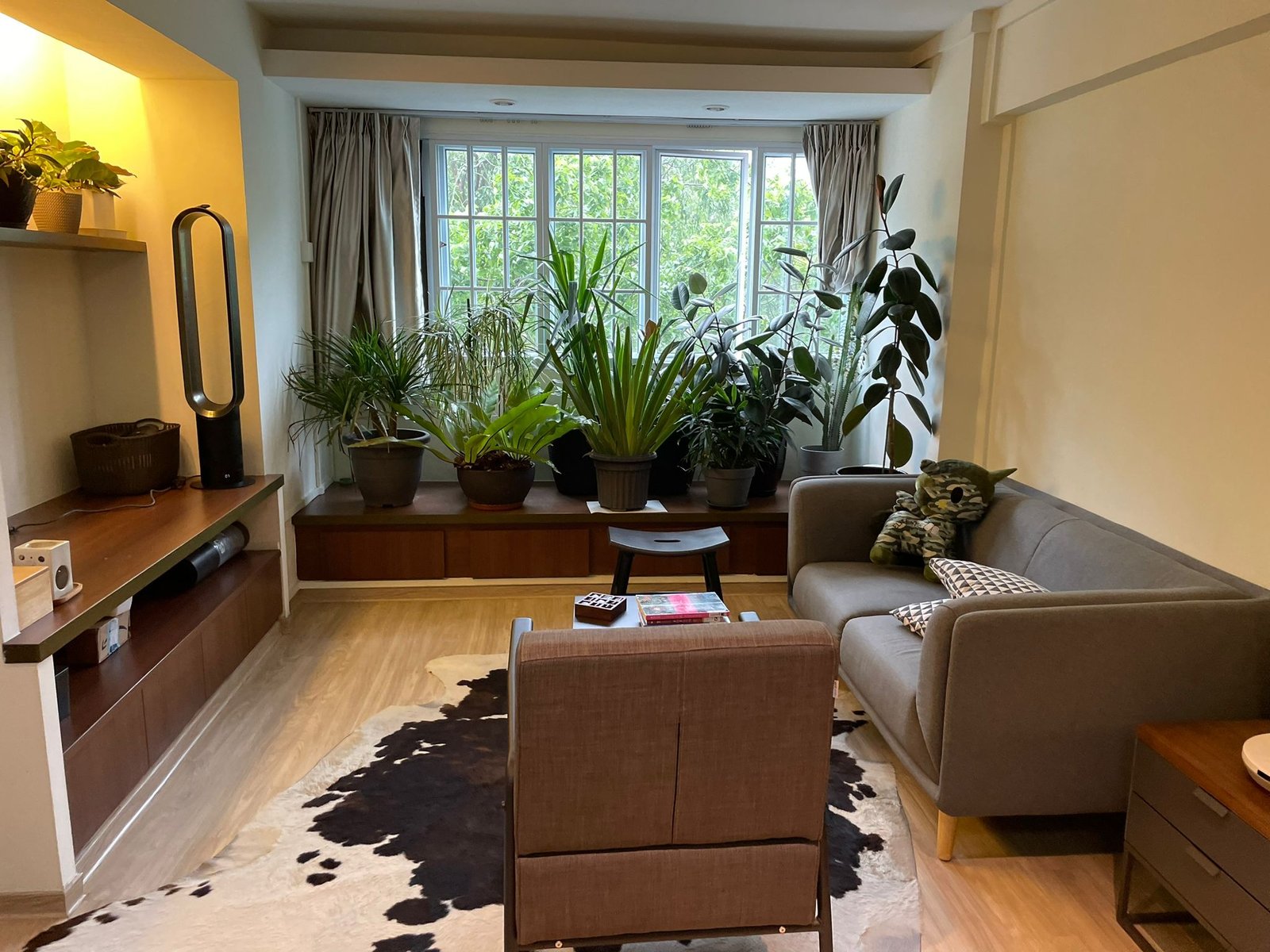
If professional staging isn’t in your budget, focus on these DIY staging principles. Maximize natural light by opening all curtains and blinds. Add lamps to dark corners. Light, bright spaces feel larger and more welcoming. Keep color schemes neutral—beige, white, light grey. Remove bold paint colors or busy wallpaper where possible.
Create focal points in each room. In the living room, arrange furniture to create a conversation area. In bedrooms, the bed should be the clear focus with minimal other furniture. In the kitchen, clear counters except for one decorative element like a fruit bowl or coffee station.
Singapore buyers particularly value certain features. Storage space is king—show off your built-in wardrobes, storerooms, and kitchen cabinets by organizing them immaculately. Airy, well-ventilated spaces with good cross-ventilation are appreciated. Clean, modern bathrooms and kitchens strongly influence buying decisions.
The Smell Factor
Never underestimate the power of smell. Musty, cooking, or pet odors can kill a sale. Air out your property thoroughly before viewings. Consider professional odor removal if you have persistent smells. During viewings, avoid strong scents (scented candles, air fresheners) which buyers may interpret as covering up problems. Fresh, neutral-smelling air is ideal.
Step 5: Set the Right Asking Price
Pricing strategy can make or break your sale. Price too high, and you’ll sit on the market, eventually becoming “stale inventory” that requires price cuts. Price too low, and you leave money on the table. The goal is the pricing sweet spot that attracts buyers quickly while maximizing your return.
The Psychology of Pricing
In Singapore’s property market, psychological pricing matters. A property priced at $1.28 million will attract more interest than one at $1.3 million, even though the difference is only $20,000. Buyers search in price bands, and $1.28 million appears in the “below $1.3 million” searches.
Avoid round numbers. $899,000 performs better than $900,000. The difference seems larger psychologically than the actual $1,000. This applies at all price points: $1.48M vs $1.5M, $2.88M vs $2.9M.
Consider your competition. If there are three similar units in your development for sale at $1.35M, $1.38M, and $1.4M, pricing at $1.32M makes you stand out as the value option. Alternatively, if you have superior features (higher floor, better facing, newer renovation), you might justify $1.42M.
Building in Negotiation Buffer
Singapore buyers expect to negotiate. If you price at your absolute bottom line, you have no room to negotiate and risk losing buyers who want to feel they’ve gotten a deal. A 5-8% buffer is typical.
For example, if your bottom line is $1 million, list at $1.05M-$1.08M. This gives you room to negotiate down while still achieving your target. Be strategic about how you handle lowball offers—they can be starting points for negotiation rather than outright rejections.
Market Timing Considerations
Property sales in Singapore follow seasonal patterns. January through February sees high activity as buyers receive bonuses and plan for the year ahead. July through August is strong as families want to settle before the school year begins. December is typically slow due to holidays, and Chinese New Year period sees reduced activity.
If you’re selling during a slow period, your pricing needs to be sharper. If you’re selling during a hot period, you might achieve higher prices. Monitor new launch activity too—a popular new launch in your area can reduce demand for resale units temporarily, though the opposite can happen if new launches are priced too high.
Competitive Market Analysis
Look at active listings in your development or similar properties in your area. What are they asking? How long have they been on the market? Properties sitting for 6+ months are likely overpriced. Recently sold properties (past 3 months) give you the most accurate picture of what buyers are actually willing to pay.
Create a spreadsheet comparing your property to recent sales. Adjust for differences: higher floor (+2-3%), corner unit (+3-5%), recent renovation (+3-5%), lower floor (-2-3%), facing cemetery or busy road (-5-10%). This gives you a data-driven pricing target.
Step 6: Market Your Property Effectively
In Singapore’s digital-first property market, your online presence is crucial. Most buyers start their search online, filtering properties by price, location, and features before ever scheduling a viewing.
Professional Photography: Non-Negotiable
Quality photos are the single most important marketing element. Listings with professional photos receive 61% more views than those with amateur photos. Invest $200-$500 in a professional property photographer who understands how to capture spaces to look their best.
Ensure photos are taken during daytime with abundant natural light. Every room should be photo-ready: clean, decluttered, well-lit. Capture key selling points: kitchen, bathrooms, bedrooms, living areas, and balconies. Show unique features: views, built-in wardrobes, stylish renovations. Wide-angle shots make rooms look more spacious, but don’t overdo it—buyers will see the real space eventually.
Aim for 10-15 high-quality photos. Show the property from multiple angles. Include exterior shots of the building/block and surrounding area to give context. Some sellers also invest in virtual tours or video walkthroughs, which can be effective for higher-end properties or overseas buyers.
Writing Compelling Property Descriptions
Your property description needs to highlight what makes your property special while including keywords buyers search for. Start with a compelling headline that includes key features: “Spacious 4-Room HDB with Full Renovation Near Ang Mo Kio MRT” or “Premium 3BR Condo at The Sail @ Marina Bay with Stunning Bay Views.”
In the body description, lead with the most attractive features. Mention the property type, size (square footage/meters), number of bedrooms and bathrooms, and key selling points. Use descriptive language that helps buyers envision themselves there: “Wake up to breathtaking sea views” rather than just “sea view.”
Include practical details buyers want to know: years remaining on lease (if applicable), floor level, facing direction, recent upgrades/renovations, proximity to MRT (walking minutes), nearby schools, shopping centers, and amenities. Mention if there are unique features like balconies, private enclosed spaces, or premium fittings.
End with a clear call to action: “Schedule a viewing today” or “Contact agent for viewing.” Keep the tone professional but warm. Avoid exaggeration or unverifiable claims.
Choosing the Right Property Portals
List your property on all major Singapore property portals to maximize visibility. PropertyGuru is the market leader with the highest traffic. 99.co attracts tech-savvy buyers and has a strong mobile app presence. SRX Property is known for its data and analytics focus. EdgeProp Singapore caters to readers of The Edge and Business Times.
For HDB flats, you must register on the HDB Resale Portal, but also list on commercial portals for maximum exposure. Ensure your listing information is consistent across all platforms: same photos, same description, same price.
Most agents will handle portal listings for you, but if you’re selling independently, be prepared to pay listing fees. Budget $100-$300 per portal for featured listings, though basic listings may be free.
Social Media and Alternative Marketing
Don’t neglect social media. Share your listing in relevant Facebook groups dedicated to Singapore property (there are 100+ active groups). Post on your personal social media—your network might include potential buyers or know someone interested.
Create property-specific Instagram posts with high-quality photos and relevant hashtags: #SingaporeProperty, #CondoForSale, #HDBResale, #PropertySG. Use Instagram Stories for quick updates and behind-the-scenes content.
Consider creating a simple one-page property flyer you can share digitally or print for physical distribution in your neighborhood.
Step 7: Conduct Successful Property Viewings
Viewings are where interested buyers become serious buyers. How you handle viewings directly impacts whether you receive offers and how much buyers are willing to pay.
Optimal Viewing Times and Scheduling
Weekend afternoons (2-5pm) are prime viewing times when most buyers are available and natural light shows your property at its best. Allow 30-45 minutes per viewing to give buyers adequate time without rushing. Avoid scheduling back-to-back viewings—you need time to reset the property and buyers appreciate not bumping into other viewers.
Be flexible where possible. Some buyers can only view on weekday evenings or early mornings. The more accommodating you are, the larger your potential buyer pool. However, maintain your boundaries—don’t agree to viewings with less than 4 hours’ notice unless you’re desperate to sell.
Preparing for Each Viewing
Before every viewing, do a quick reset. Open all curtains and blinds to maximize natural light. Turn on all lights, even during the day. Ensure air conditioning is running so the property is at a comfortable temperature. Do a quick tidiness check—fluff sofa cushions, ensure beds are made, remove any clutter that’s accumulated.
Create a welcoming atmosphere. Play soft background music (classical or instrumental) at low volume. Ensure the property smells fresh—air it out 30 minutes before viewings. Remove any garbage. If you have pets, remove them or ensure they’re calm and confined.
Prepare information packets for serious buyers. Include: floor plans, recent utility bills (to show costs), maintenance fee statements, recent transaction prices in the development, information about nearby amenities and schools. This demonstrates professionalism and helps buyers make informed decisions.
During the Viewing: Best Practices
Should you be present during viewings? This depends on whether you have an agent and your personality. If you have an agent, it’s often better to be absent—buyers feel more comfortable discussing the property openly and exploring freely when owners aren’t hovering.
If you must be present, be friendly but not overbearing. Greet viewers warmly, offer a brief introduction, then let them explore. Don’t follow them room to room—give them space. Be available to answer questions but don’t launch into a sales pitch.
Highlight key features naturally. “The master bedroom has great morning light” or “This storage area was custom-built.” Focus on benefits: “The location is very convenient—the MRT is a 5-minute walk” rather than just features: “Close to MRT.”
Be honest about any issues. If there’s a renovation plan for the development, noisy neighbors, or any other factor that might affect their decision, disclose it. Buyers appreciate honesty, and it’s better they hear it from you than discover it later and feel deceived.
Handling Questions and Objections
Be prepared for common questions. Why are you selling? How long have you owned the property? What’s included in the sale? What are the monthly maintenance fees? Are there any upcoming major renovations in the development? Have you had other offers?
Answer honestly but strategically. “We’re upgrading to a larger property” sounds better than “We’re desperate to sell.” “We’ve had several viewings and some interest” is true even if you haven’t received formal offers yet.
If buyers point out issues or flaws, acknowledge them without being defensive. “Yes, this corner could use some updating, which is reflected in the pricing” works better than “I don’t see any problem with it.” Turn weaknesses into opportunities: “The bathroom is original, which gives you the flexibility to renovate exactly to your taste.”
Following Up After Viewings
Your agent should follow up with the buyer’s agent within 24 hours to get feedback and gauge interest. If selling independently, send a polite follow-up message thanking them for viewing and asking if they have any questions.
Use feedback constructively. If multiple buyers mention the same concern—say, the property feels dark—address it by adding lighting or keeping more lights on during viewings. If buyers consistently say it’s overpriced, you may need to adjust your asking price.
Keep a viewing log noting who viewed, when, their feedback, and their level of interest. This helps you track your sales funnel and identify serious prospects.
Step 8: Negotiate Offers and Accept the Best Deal
Receiving an offer is exciting, but the negotiation process requires a clear head and strategic thinking to maximize your outcome.
Evaluating Offers Beyond Just Price
The highest offer isn’t always the best offer. Consider these factors when evaluating: buyer’s financing status (has the buyer received In-Principle Approval from a bank?), timeline flexibility (can the buyer work with your preferred timeline?), option period terms (a longer option period gives the buyer more time to back out), and special conditions (are there contingencies that might derail the sale?).
A buyer with confirmed financing offering $995,000 might be better than a buyer offering $1,010,000 but without bank approval. The risk of the deal falling through is significantly higher with the latter.
Counter-Offer Strategies
Rarely do you accept the first offer at face value. Even if it’s at your asking price, standard practice is to negotiate terms like option period length, completion timeline, or included items (furniture, fixtures).
If an offer comes in below your asking price, don’t be offended—it’s a starting point for negotiation. Respond professionally with a counter-offer. If they offer $950,000 and your asking price is $1.05 million, counter at $1.02 million. You’re showing willingness to negotiate while maintaining value.
The back-and-forth typically happens over 1-3 rounds. Each party makes concessions until you reach a mutually acceptable middle ground. Your agent can advise on typical negotiation patterns in the current market.
Handling Multiple Offers
Multiple offers put you in a strong negotiating position. You can use them to drive the price up or secure better terms. However, handle this ethically and transparently through your agent.
Inform all parties that you have multiple offers and ask for their best and final offers by a specific deadline. This creates urgency and encourages buyers to put forward their strongest proposal. Avoid playing buyers against each other unethically—this can backfire and make all buyers withdraw.
When to Accept vs. When to Wait
This is one of the hardest decisions in selling. You receive an offer that’s close to your target, but wonder if waiting might bring a better offer. Consider these factors: how long has your property been on the market (if it’s been less than 2 weeks and you’re getting offers, waiting might bring better offers; after 3+ months, take a good offer), what’s the market trend (if the market is cooling, take good offers now; if it’s heating up, you might wait), and your personal timeline (if you need to sell by a certain date, don’t risk it).
The “bird in hand” principle often applies in real estate. The highest offer might come early when your listing is fresh. Properties that sit on the market tend to attract lower offers over time as buyers wonder what’s wrong with it.
Formalizing the Agreement: Granting the Option to Purchase
Once you’ve agreed to terms, you grant the Option to Purchase and receive the option fee (typically 1% for private properties). This is a critical moment—you’re now legally bound to sell to this buyer at the agreed price if they exercise the option within the timeframe.
Ensure all terms are clearly stated in the OTP: sale price, option period (typically 14 days for private, 21 days for HDB), option fee amount, items included in the sale (built-in furniture, appliances), completion timeline, and any special conditions.
Have your lawyer review the OTP before you sign it, especially if there are non-standard clauses. Once signed and the option fee is paid, you cannot back out without legal consequences (the buyer can sue for specific performance or damages).
Step 9: Complete Legal Documentation
After the buyer exercises the option, the legal process begins in earnest. This is where having a good conveyancing lawyer is essential.
Engaging a Conveyancing Lawyer
Your lawyer handles all legal aspects of the property sale. They draft the Sale and Purchase Agreement (SPA), conduct title searches to ensure there are no encumbrances, coordinate with the buyer’s lawyer, prepare the completion account, and handle the transfer of title.
Choose a lawyer experienced in property transactions. Ask your agent for recommendations or get referrals from friends who recently sold property. Fees typically range from $2,500-$4,000 depending on property value and complexity.
Provide your lawyer with all necessary documents promptly: Option to Purchase, title deed/documents, NRIC, property tax bill, outstanding mortgage statement, and maintenance fee statements (for condos). The faster you provide documents, the smoother the process.
Completion Account Preparation
As the completion date approaches, your lawyer prepares the completion account. This is a detailed statement of all financial adjustments: the sale price, less option fee already paid, less option exercise fee already paid, plus/minus property tax adjustments (if you’ve prepaid, the buyer reimburses you proportionally), plus/minus maintenance fee adjustments, less agent commission, less legal fees, less outstanding mortgage redemption, less CPF refund, and equals net proceeds to you.
The completion account is typically prepared 2-3 weeks before completion and sent to the buyer’s lawyer for agreement. Any discrepancies need to be resolved before completion day.
Mortgage Discharge
If you have an outstanding mortgage, your lawyer will coordinate with your bank to discharge the mortgage on completion day. The buyer’s bank will transfer funds to pay off your mortgage directly. You’ll need to provide a redemption statement from your bank showing the exact amount owing.
There’s typically a discharge fee of $300-$500. Ensure this is processed timely—delays in mortgage discharge can delay the completion.
Step 10: Handover and Collect Sale Proceeds
The final step is handing over the property and receiving your net proceeds. Proper preparation ensures a smooth conclusion to your sale.
Pre-Completion Inspection
The buyer is entitled to conduct a pre-completion inspection a few days before the completion date to verify that the property condition matches what was agreed. They’ll check that all fixtures and fittings listed in the agreement are present and in working order, the property is vacant (if applicable) and clean, there are no new defects since the sale was agreed, and all utilities and services are functioning.
Ensure your property is in the agreed condition. If you agreed to leave certain appliances or furniture, make sure they’re there. If you agreed to fix certain defects, ensure repairs are completed. Clean the property thoroughly—this is professional courtesy and helps ensure a smooth handover.
Handover Day Procedures
On completion day (typically a Monday to Thursday to allow for banking), several things happen simultaneously. The buyer’s lawyer transfers the balance of the purchase price to your lawyer, your lawyer pays off your mortgage (if applicable), CPF refund is processed, agent commission and legal fees are deducted, and the net proceeds are transferred to your designated bank account.
You hand over the keys to the buyer, typically through your lawyer or agent. Provide all keys, access cards, and any relevant documents like appliance warranties, renovation receipts, or management corporation documents.
Do a final check that all utilities are in your name until the completion date, then notify service providers to terminate or transfer services. The buyer will set up their own accounts from the completion date.
Receiving Your Net Proceeds
Net proceeds are typically transferred to your bank account on completion day or the next business day. The amount should match the completion account prepared by your lawyer. Review the statement carefully to ensure all calculations are correct.
The CPF refund is processed automatically by your lawyer. The refunded amount (principal plus accrued interest) is credited back to your CPF Ordinary Account. This is not cash you receive—it goes back to CPF.
If there are any disputes over the completion account or issues discovered during the pre-completion inspection, some funds might be held in stakeholding by lawyers until the issues are resolved. Try to resolve any issues before completion day to avoid delays in receiving your proceeds.
Post-Sale Responsibilities
After completion, you still have a few responsibilities. Cancel utilities and services in your name (electricity, water, gas, phone, internet). Cancel any insurance policies related to the property and claim refunds for unused premiums. Update your address with government agencies, banks, and other institutions. Pay any outstanding property tax (though this is typically adjusted in the completion account).
Common Problems When Selling Property in Singapore (And How to Solve Them)
Even with the best preparation, challenges can arise during the selling process. Here’s how to handle the most common issues.
Problem 1: Property Not Selling After 3+ Months on Market
If your property has been listed for over 3 months without serious offers, something is wrong. The most common culprit is overpricing. Review recent transactions again and be brutally honest—is your asking price realistic? If comparable properties are selling for $1.2 million and you’re asking $1.35 million, that’s your problem. Consider a price reduction of 3-5%.
Poor presentation can kill sales. Look at your photos with fresh eyes—do they showcase your property attractively? If not, invest in professional photography. Visit your property as if you’re a buyer seeing it for the first time. Is it clean, decluttered, and well-maintained? If not, address presentation issues.
Limited marketing exposure might be the issue. Ensure you’re listed on all major property portals. Are your photos and description compelling? Is your agent actively marketing the property or just waiting for calls? Consider switching agents if your current agent isn’t performing.
Market conditions might have changed since you listed. If the market has cooled, prices have generally softened, and you need to adjust accordingly. Check whether there are new competing listings in your development or area that offer better value.
Problem 2: Receiving Only Low-Ball Offers
If you’re getting offers but they’re consistently 10-15% below your asking price, the market is telling you something. Your asking price is too high relative to what buyers perceive as the property’s value.
Don’t take lowball offers personally—use them as market feedback. If three different buyers all offer around $950,000 when you’re asking $1.1 million, the market value is closer to $950,000-$1 million. Adjust your expectations and pricing accordingly.
Consider whether your property has characteristics that reduce its appeal. Ground floor units, units facing busy roads or cemeteries, units with less remaining lease, or units in developments with high maintenance fees all typically sell at discounts to average units.
Problem 3: Buyer’s Financing Falls Through
It’s devastating when a buyer exercises your option, then can’t secure financing and the deal collapses. Minimize this risk by asking for proof of In-Principle Approval (IPA) from a bank before accepting offers. Buyers who can’t show IPA are higher risk.
If a buyer’s financing does fall through after option exercise, you keep the option fee as compensation for taking the property off the market. However, you lose time and must restart the selling process. To avoid this, consider accepting slightly lower offers from buyers with confirmed financing over higher offers from buyers without it.
Problem 4: Competing with New Launches
New launches in your area can temporarily reduce demand for resale properties, especially if they’re priced attractively or offer modern facilities. However, resale properties have advantages: immediate availability (no 3-4 year wait), established neighborhoods with mature amenities, actual units to view (not showflats), and often lower prices than new launches.
Emphasize these advantages in your marketing. Highlight the established community, mature landscaping, proven track record of the development, and value proposition compared to new launches. Some buyers specifically prefer resale for these reasons.
If a popular new launch is significantly impacting your sale, you may need to adjust pricing to remain competitive. Alternatively, wait for the new launch excitement to die down (typically 2-3 months) before relisting.
Problem 5: Dealing with Negative COV
In a cooling market, properties may sell below bank or HDB valuation, creating negative COV. This creates challenges because buyers need to cover the shortfall with cash or savings, limiting your buyer pool to those with sufficient funds.
If your property is likely to value below the selling price, factor this into negotiations. A buyer offering $900,000 on a property that will value at $920,000 is actually paying $20,000 above valuation. Price your property realistically based on recent transacted prices rather than historical valuations.
Be transparent with potential buyers about likely valuation. Buyers appreciate honesty and can plan their finances accordingly. Surprises at the valuation stage often cause deals to collapse.
Singapore Property Market Insights 2026
Understanding current market conditions helps you make informed decisions about timing and pricing your sale.
Current Market Conditions
The Singapore property market in 2026 continues to be influenced by government cooling measures, with ABSD and LTV restrictions keeping speculation in check. Interest rates have stabilized after the increases of 2022-2024, though they remain above historical lows. This affects buyer affordability and demand.
HDB resale prices have moderated after the surge of 2020-2022, with growth rates slowing to single digits annually. Demand remains steady from upgraders and right-sizers, but prices are no longer climbing rapidly. Private property prices show differentiation by location, with Core Central Region (CCR) properties seeing more moderate growth while Outside Central Region (OCR) properties near new MRT stations see stronger interest.
Supply and Demand Dynamics
The HDB BTO pipeline has increased, with larger launches aimed at meeting pent-up demand. This provides an alternative to resale flats for first-time buyers, though long wait times (4-5 years) mean resale flats remain attractive for those who need housing sooner.
Private property supply is steady, with several major launches planned for 2026. New condos in mature estates and near MRT stations command premium pricing. Resale properties compete by offering better value and immediate availability.
Best Times to Sell in 2026
Peak selling seasons are January-February (post-bonus period, buyers have cash, planning ahead for the year), and July-August (families want to settle before the school year starts in late August/early September). Consider listing in late December or early June to capture the early wave of buyers in these peak periods.
Slower periods include late November through mid-December (holidays, people traveling, year-end busy period), and late January to early February (Chinese New Year period—exact dates vary but typically late January or early/mid-February). However, serious buyers still transact during slow periods, so don’t completely avoid listing then if your timeline requires it.
Frequently Asked Questions About Selling Property in Singapore
How long does it take to sell property in Singapore?
The average selling duration depends on property type and market conditions. HDB flats typically take 2-4 months from listing to completion. Private condos average 4-7 months. Landed properties can take 6-12 months or longer due to the smaller buyer pool. However, well-priced properties in desirable locations can sell in days or weeks, while overpriced or unique properties might take a year or more.
Can I sell my property before completing the Minimum Occupation Period?
No, for HDB flats and Executive Condos, you must fulfill the 5-year Minimum Occupation Period before you can sell. The MOP is calculated from the date you collected keys (for BTO/new EC) or the date of purchase (for resale). Private properties have no MOP restriction, but remember that Seller’s Stamp Duty applies if you sell within 3 years of purchase.
How much is property agent commission in Singapore?
Standard commission is 2% of the sale price plus 9% GST, which totals 2.18%. On a $1 million property, you’d pay $21,800. However, commission is negotiable. Some agents accept 1-1.5% for higher-value properties or if you’re also buying through them. Co-broking arrangements may split commission differently between your agent and the buyer’s agent. Remember that paying slightly higher commission for an excellent agent who sells your property faster and for a better price can actually result in better net proceeds than using a discount agent.
Do I need to hire a lawyer to sell property in Singapore?
Yes, engaging a conveyancing lawyer is mandatory for property transactions in Singapore. The lawyer handles all legal documentation, conducts searches, prepares the Sale & Purchase Agreement, manages the completion process, and ensures the transaction is legally compliant. Trying to handle legal aspects yourself is not advisable and may not be accepted by the buyer’s lawyer or banks involved. Budget $2,500-$4,000 for legal fees.
What is Seller’s Stamp Duty and when do I need to pay it?
Seller’s Stamp Duty (SSD) is a tax on residential property sales if you sell within 3 years of purchase. It applies to properties purchased on or after 14 January 2011. The rates are 12% of the sale price if sold within the first year, 8% if sold in the second year, and 4% if sold in the third year. After holding for more than 3 years, no SSD applies. SSD is calculated on the higher of the sale price or market value. There are limited exemptions for specific circumstances like death or divorce—contact IRAS for details.
Can I sell my HDB flat if I still have an outstanding mortgage?
Yes, you can sell even with an outstanding mortgage. The outstanding loan will be paid off from the sale proceeds at completion. Your lawyer will coordinate with your bank to obtain a redemption statement and arrange for the loan to be discharged on completion day. The buyer’s bank or lawyer will typically pay your bank directly as part of the completion process. You’ll receive the net proceeds after the mortgage is settled.
What is COV and how does it affect my sale?
Cash Over Valuation (COV) is the amount a buyer pays above the bank’s or HDB’s valuation of your property. In hot markets, COV can be positive (property sells for more than valuation). In cooling markets, COV can be negative (property sells for less than valuation). COV matters because banks only lend based on the valuation amount. Any positive COV must be paid by the buyer in cash, which limits your buyer pool to those with sufficient cash savings. Negative COV is less problematic for buyers as they can finance more than the purchase price, up to the valuation amount.
Should I renovate my property before selling?
Generally, major renovations are not recommended before selling. Most buyers prefer to renovate to their own taste, and you rarely recoup the full cost of renovations in the sale price. Focus instead on repairs, maintenance, fresh paint in neutral colors, and deep cleaning. These provide better ROI. The exception is if your property is in poor condition or has very outdated fixtures—in that case, basic updating of kitchens and bathrooms might be worthwhile. Get quotes and calculate whether the renovation cost would increase your sale price by more than the renovation cost before proceeding.
Can foreigners buy my property?
It depends on property type. Foreigners can freely purchase private condominiums and apartments without restrictions. However, foreigners face significant restrictions on purchasing HDB flats (generally not allowed except Singapore PRs under specific conditions) and landed properties (require approval from the Land Dealings Unit, which is rarely granted). If you’re selling a private condo, foreigners are part of your buyer pool. If selling HDB or landed property, your buyer pool is primarily Singaporeans and PRs.
What happens if I can’t find a buyer before my next purchase?
This is a common concern for those upgrading or downsizing. You have several options. You can negotiate a longer completion period when buying your next property (90-120 days) to give yourself time to sell. You can rent temporary accommodation and store your belongings if you must move before selling. You can explore bridging loans from banks, though these are expensive with interest rates around 4-5% and should be a last resort. Some sellers use the OTP timeline strategically—when buying, they grant the seller a short option period, and when selling, they grant the buyer a longer option period to align timelines.
How do I handle viewings if my property is tenanted?
Selling a tenanted property is challenging but manageable. Review your tenancy agreement—most include clauses allowing viewings with reasonable notice (typically 24 hours). Coordinate with your tenant to schedule viewings at times convenient for them. Be respectful of their privacy and schedule viewings when they’re not home if possible. Some tenants are cooperative, others may be difficult—this can affect your ability to sell quickly. You may need to offer incentives to the tenant (one month rent waived) to cooperate with frequent viewings. Alternatively, consider waiting until the tenancy expires to sell, or price the property to account for the inconvenience to buyers who must wait for vacant possession.
What documents should I prepare for potential buyers?
Having documents ready shows you’re a serious, organized seller and helps facilitate the sale. Prepare copies of: floor plans, recent property tax bills, maintenance fee statements (for condos), recent utility bills showing average costs, title documents (but don’t hand over originals), renovation receipts if you’ve done significant upgrades, and recent transaction prices in your development or area. For HDB flats, include the HDB Annual Value statement and information about whether your flat is under any HDB restrictions. For condos, include details about facilities, management contact, and any upcoming major works planned by the MCST.
Ready to Sell Your Property? Let’s Make It Happen
Selling property in Singapore doesn’t have to be overwhelming. With the right knowledge, preparation, and support, you can navigate the process smoothly and achieve the best possible outcome.
Whether you’re selling an HDB flat, upgrading from a condo, or downsizing from a landed property, following this comprehensive 10-step guide puts you in control of the process. Understanding Singapore’s unique regulations, preparing your property professionally, pricing it strategically, and negotiating effectively will help you sell faster and for the best price.
Why Work With Aellan Choo?
With years of experience helping homeowners successfully sell their properties across Singapore, I provide personalized service that puts your needs first. I offer transparent pricing with clear commission structures and no hidden fees, deep knowledge of Singapore’s property market and regulations, comprehensive marketing across all major property portals and networks, and dedicated support from listing to completion.
My track record speaks for itself, with hundreds of satisfied clients and properties sold across all property types and districts in Singapore.
Get Your Free Property Consultation
Not sure where to start? I offer complimentary consultations where we’ll discuss your property and selling goals, review current market conditions affecting your sale, provide an honest assessment of your property’s market value, and outline a customized marketing strategy for your property.
Contact me today:
Aellan Choo
CEA Registration: R059749C
PropNex Realty Pte Ltd
 WhatsApp/Call: +65 8010 8890
 Email: aellan.choo@gmail.com
 Website: www.aellanchoo.com
Available 7 days a week for consultations and viewings.
Ready to sell your property in Singapore? Don’t navigate this complex process alone. Get expert guidance every step of the way. Contact me now for a free, no-obligation consultation and let’s create a winning strategy to sell your property quickly and at the best price.
Remember: In Singapore’s competitive property market, having the right knowledge and professional support makes all the difference between a stressful, drawn-out sale and a smooth, profitable transaction.
Disclaimer: The information provided in this guide is for general informational purposes only and does not constitute legal, financial, or professional advice. Property regulations, market conditions, and tax policies are subject to change. Always consult with qualified professionals including licensed property agents, conveyancing lawyers, and tax advisors for advice specific to your situation.